



How to Choose the Best Water Meter for Your Home or Project
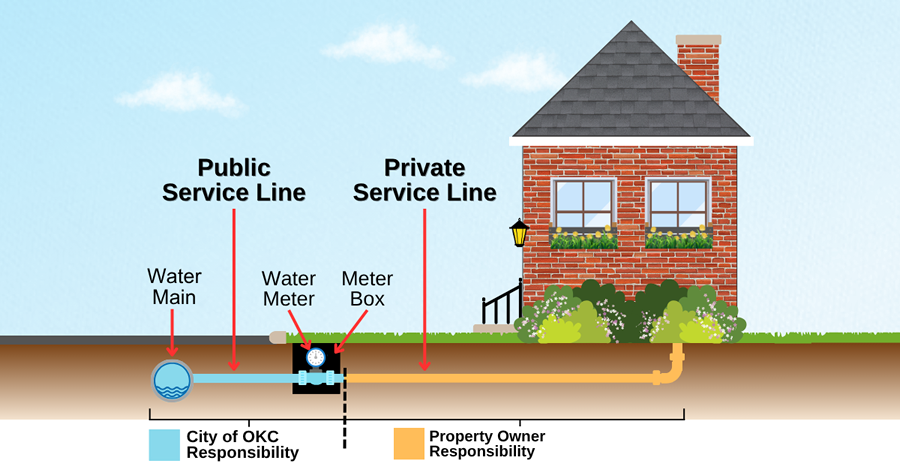
When selecting the best water meter for your home or commercial project, prioritize accuracy, durability, and compatibility with your plumbing system. For most residential applications, a reliable multi-jet water meter offers optimal balance between performance and cost1. Key factors like flow rate (measured in GPM or LPM), pipe size (typically 5/8” to 1”), and compliance with local utility standards are critical when learning how to choose water meter systems that deliver long-term reliability and billing accuracy. Always verify whether you need a smart-enabled model for remote reading or a basic mechanical version for simple monitoring.
About Water Meters
A water meter is a device used to measure the volume of water passing through a pipe, typically expressed in cubic feet or gallons. These devices are essential for both municipal utilities and private property owners to monitor consumption, detect leaks, and ensure fair billing2. They are commonly installed at the point where the main water line enters a building—residential homes, apartment complexes, industrial facilities, and agricultural operations all rely on accurate measurement.
In addition to usage tracking, modern water meters support conservation efforts by providing real-time data that helps users identify inefficiencies. Some advanced models integrate with building management systems or smart home platforms, enabling automated alerts for abnormal flow patterns that may indicate leaks.
Why Water Meters Are Gaining Popularity
Water scarcity and rising utility costs have increased demand for precise consumption monitoring. According to the U.S. Environmental Protection Agency, household leaks can waste nearly 1 trillion gallons of water annually nationwide. This has driven adoption of more sophisticated water meters, especially those offering digital readouts and leak detection features.
Smart water meters, which transmit data wirelessly to utilities or user apps, are being deployed across cities to reduce manual readings and improve infrastructure efficiency. The global smart water meter market is projected to grow significantly over the next decade due to urbanization and IoT integration.
Additionally, homeowners seeking greater control over their water bills are installing submeters to track irrigation, pool refills, or tenant usage in rental properties. Understanding what to look for in a water meter ensures these investments yield actionable insights rather than inaccurate or misleading data.
Types and Variants of Water Meters
1. Positive Displacement (PD) Meters
These are the most common type for residential use. PD meters divide water into fixed volumes using pistons or nutating disks, making them highly accurate at low flow rates.
Pros: High accuracy for small flows, affordable, widely available.
Cons: Can be damaged by debris, not ideal for high-flow commercial applications.
2. Multi-Jet Meters
A subtype of velocity meter, multi-jet models use multiple inlet ports to create a balanced rotation of the measuring element. They offer excellent accuracy across varying flow conditions and are commonly used in homes and small businesses.
Pros: Durable, good performance under fluctuating pressures, less prone to wear than single-jet designs.
Cons: Slightly more expensive than basic PD meters.
3. Turbine Meters
Used primarily in large-diameter pipes for commercial or industrial settings, turbine meters measure flow by detecting the speed of a rotating rotor placed in the water stream.
Pros: Effective for high flow rates, minimal pressure loss.
Cons: Less accurate at low flows, requires straight pipe runs upstream/downstream for proper calibration.
4. Electromagnetic (Mag) Meters
These non-mechanical meters use Faraday’s Law of electromagnetic induction to measure flow without moving parts, making them ideal for dirty water or corrosive environments.
Pros: No mechanical wear, high accuracy, bidirectional flow detection.
Cons: Expensive, requires power supply, generally overkill for residential use.
5. Ultrasonic Meters
Using sound waves to calculate flow velocity, ultrasonic meters come in transit-time and Doppler varieties. They are increasingly popular in smart metering systems.
Pros: No pressure drop, no moving parts, high precision, supports data logging.
Cons: Higher upfront cost, sensitive to air bubbles or particulates in water.
Key Features and Specifications to Evaluate
To make an informed decision when exploring how to choose water meter options, consider the following technical parameters:
Accuracy Class: Look for meters meeting international standards such as ISO 4064 or OIML R49. Residential units should have Class B or higher accuracy.
Flow Rate Range: Measured in gallons per minute (GPM) or liters per hour (L/h). Ensure the meter covers both minimum leakage flow and peak demand (e.g., shower + washing machine running).
Pipe Size Compatibility: Most residential meters use 5/8” or 3/4” connections; verify fit before purchase.
Pressure Rating: Standard operating pressure is up to 150 psi; confirm it matches your system’s max pressure.
Digital vs Analog Display: Digital displays allow easier remote reading and integration with smart systems.
Pulse Output or Smart Connectivity: Useful for integration with home automation or AMR (Automatic Meter Reading) systems.
Material Construction: Brass bodies are durable and corrosion-resistant; plastic housings are lighter but less robust.
Pros and Cons: When Is a Water Meter Right for You?
Advantages: Accurate tracking of water usage for billing or conservation.
Early leak detection saves money and prevents structural damage.
Supports sustainable water management in multi-unit buildings.
Enables data-driven decisions for irrigation or industrial processes.
Limitations:
Initial installation cost and potential need for professional help.
Mechanical meters require periodic recalibration or replacement.
Smart meters may raise privacy concerns due to frequent data transmission.
Not all models are compatible with existing plumbing configurations.
Water meters are most beneficial for property managers, municipalities, and environmentally conscious homeowners. However, if your water usage is minimal and stable, the return on investment might be limited.
How to Choose a Water Meter: Step-by-Step Guide
1.Determine Your Use Case: Is it for whole-house monitoring, submetering tenants, irrigation, or industrial process control?
2.Check Local Regulations: Some jurisdictions mandate specific certifications (e.g., NSF-61, AWWA C700)8. Verify compliance before purchasing.
3.Select the Appropriate Type: For homes, multi-jet or PD meters suffice. For large flows, consider turbine or ultrasonic.
4.Verify Pipe Size and Connection Type: Common sizes include 5/8” x 1/2”, 3/4” x 3/4”, etc. Threaded (FPT) connections are standard in North America.
5.Evaluate Accuracy Needs: If used for billing, opt for Class B or better. For general monitoring, Class C may be acceptable.
6.Decide on Smart Features: Do you want Wi-Fi, pulse output, or AMI/AMR compatibility? Consider ongoing subscription fees for cloud services.
7.Review Installation Requirements: Some meters require horizontal mounting or specific orientation. Check manufacturer specs for upstream/downstream piping needs.
8.Avoid Red Flags: Avoid unbranded meters without certification marks, unclear warranty terms, or lack of technical documentation.
Price & Market Insights
Basic mechanical water meters range from $30 to $80, suitable for DIY installations and simple monitoring tasks. Mid-range models with enhanced durability or digital dials cost $80–$150. Smart water meters with wireless connectivity start around $180 and can exceed $400 for commercial-grade units with cloud analytics
Value isn't always tied to price—some budget meters meet AWWA standards and perform reliably. Conversely, premium smart meters may offer features irrelevant to residential users. Focus on verified performance metrics and long-term support rather than brand
Top-Seller & Competitive Analysis
| MODEL | TYPE | PRICE RANGE | KEY FEATURES | BEST FOR |
|---|---|---|---|---|
| Sensus iPERL | Electromagnetic | $250–$350 | Smart AMI, high accuracy, no moving parts | Utilities, smart city deployments |
| Badger Meter ACE RDR | Multi-jet | $100–$160 | Digital register, pulse output, AWWA compliant | Residential/commercial retrofits |
| Master Meter Orbit 2 | Turbine | $180–$250 | Large diameter, low maintenance | Industrial, fire protection lines |
| FloLogic System | Smart Pressure & Flow | $400+ | Leak shutdown, app control, pressure regulation | High-end homes, leak pr |
Note: Always check compatibility with your region’s utility requirements and physical space constraints.
Customer Feedback Synthesis
Analysis of buyer reviews across major retailers and industry forums reveals consistent themes:
Common Praises:
Recurring Complaints:
Reliability and clarity of documentation emerge as key differentiators. Brands with strong customer service and clear setup guides receive higher satisfaction ratings.
Sourcing & Supplier Tips
Water meters can be purchased from plumbing supply stores, industrial distributors, or online marketplaces like Amazon, Grainger, or Ferguson. For bulk purchases (e.g., apartment complexes), consider working directly with manufacturers or certified dealers who offer volume discounts and technical support.
When sourcing internationally, ensure the product meets North American or local regulatory standards (e.g., NSF, CSA, or WRAS in the UK). Inspect packaging upon delivery for signs of tampering or damage. Test functionality before final installation, especially for smart models requiring network pairing.
Maintenance, Safety & Legal Considerations
Mechanical meters typically last 10–15 years but may require recalibration every 5–10 years depending on usage and water quality10. Install strainers upstream to prevent debris from damaging internal components.
Never tamper with a utility-owned meter—doing so may result in fines or legal action. If replacing a meter, consult your water provider about ownership rules and required approvals.
For smart meters, review data privacy policies and disable unnecessary cloud features if security is a concern. Devices connected to home networks should be kept updated to prevent vulnerabilities.
Conclusion
Choosing the right water meter involves balancing accuracy, application needs, and long-term value. For most homeowners, a certified multi-jet or positive displacement meter provides reliable performance at a reasonable cost. Commercial and industrial users may benefit from turbine or ultrasonic models with advanced diagnostics. As water becomes an increasingly precious resource, investing in a high-quality meter helps conserve usage, reduce waste, and gain meaningful insight into consumption patterns. Always verify specifications, prioritize certified products, and follow proper installation practices to ensure optimal results.
FAQs
- How do I know if my water meter is accurate?
- Test it by running a known volume of water (e.g., fill a 5-gallon bucket) and compare the meter reading. Significant discrepancies suggest recalibration or replacement is needed.
- Can I install a water meter myself?
- Yes, if you have plumbing experience and local codes permit it. However, utility-owned meters often require professional installation or approval.
- What size water meter do I need?
- Most homes use 5/8” or 3/4” meters. Match the meter size to your main water line diameter—check pipe markings or consult a plumber.
- Do smart water meters save money?
- They can help identify leaks early, potentially saving hundreds of gallons monthly. ROI depends on current water rates and household usage patterns.
- Are water meters required by law?
- In many areas, yes—especially for new construction or rental properties. Contact your local water authority to confirm requirements.